Hex Wu | 2025.05 | full article download
INTRODUCTION
As someone who has been a video gamer since childhood, I’ve gained a clear sense of how virtual communities built around games can foster communication, connection, and even long-term friendship. But as technology evolves, so does the gaming population — particularly, the gamers’ average age. Today, more and more underage players emerge, yet the digital world lacks the protection we often expect in real-life circumstances — young users are more likely to encounter harmful or inappropriate content online. To better understand whether online communities like these are truly suitable for teenage gamers, I conducted a five-week digital ethnography inside an unofficial Discord server for the video game Arknights, a popular mobile game.
It turns out that the user experience design of virtual communities—specifically Discord—and their interactive, game-like features, such as stickers, text reactions, and customizable avatars, significantly increase interpersonal interaction with higher-quality connections across time zones and geographic boundaries. However, such a type of digital space, along with its design and blurred content boundaries, raises psychological risk against minors’ mental health, leaving potential problems such as depression and anxiety.
METHODOLOGY
To further investigate the research questions depicted above, I conducted my digital ethnographic fieldwork at an unofficial Discord channel established for the mobile game Arknights. This community, named “Arknights,” serves as a global fandom forum moderated entirely by volunteer players. This channel is a self-governed virtual space where players from diverse regions gather to discuss gameplay strategies, share fan content, and engage in casual conversation.



The platform of Discord was chosen because of its core feature — a fandom-oriented forum, where netizens with common interests can interact in real time. The platform encompasses advanced technical tools to elevate user experience, such as custom stickers, emojis, and visual effects, that bring diverse virtual interaction and emotional exchange, supporting valuable insight for analyzing how relationships are formed and maintained in digital spaces.
Among many user-operated communities on Discord, the game is famous (especially in China) for its inclusivity to players across different age groups, genders, and cultural backgrounds. This diversity makes the Arknights community a proper site for studying the social interaction of all user types.
The observation process lasted for five weeks. During the first two weeks, I remained a passive observer without any intention to interact with, but closely noting the platform’s primary features, common discussion topics, and communicative patterns. Starting in the third week, I started to participate in more conversations by replying to user-initiated threads and forum Q&As. Up to the fifth week when I have gathered enough data on user behavior and interactive styles, I gradually adopted the community’s tone into my messages. I started up conversations, reaching out to specific users to learn more about their identities, background, and motivations for participating. Throughout such a process, I paid attention to how users responded to different types of content, including but not limited to those involving off-topic discussions, multi-cultural engagement, and emotional expression, many of which became vital examples in my following analysis.
Data & Observation
To explore in depth, I examine how virtual communities affect users across three dimensions: social interaction quality, risks to minors, and psychological impact on vulnerable groups.
Baym introduces the synchronous, reachable, and mobile nature of media, reflected via my digital ethnographic observation. Through Discord channels, people from distinct regions are gathered with close social relationships, overcoming the limitations of geography and time; however, in terms of “social cues”, Baym’s argument that “digital media lacks shared physical context” was challenged by the platform’s sufficient provision of technical tools that enables a communication of subtle feelings and responses.
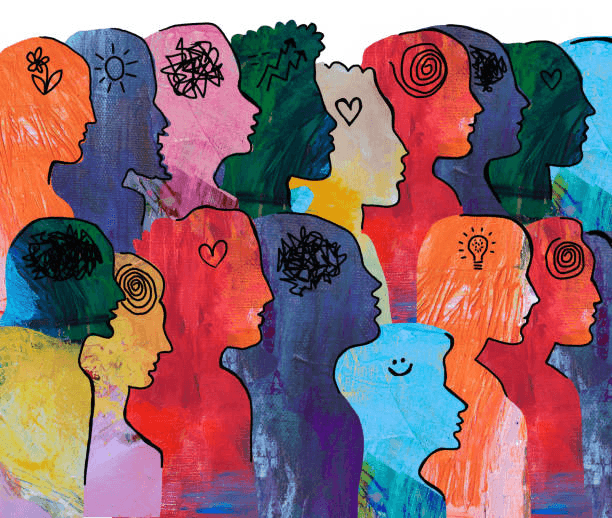
Expecting a typical video game community, I surprisingly found that casual conversation played a much larger role. The proportion between game-related content and off-topic discussions nearly equates. Members frequently engaged in everyday topics — traditional cuisine, academics, jobs, sports, and relationships — with active participation from worldwide users. For example, during my observation, a Japanese user asked for advice on applying to graduate schools in Western countries. They ended up receiving enthusiastic responses from netizens in the US, Canada, and Australia. To stay engaged and avoid missing replies, I also unmuted every conversation and allowed notifications on all my devices. Whether I was using my phone, laptop, tablet, or even a public computer at UC Berkeley, I found the conversation extraordinarily accessible as long as I was logged into my account.

On Discord, the major form of communication is instant messaging — a type of synchronous media that, as Baym depicts, allows for rapid transmission of messages across distance (Baym 2010, 8). Although users are initially gathered by shared interest in gaming, everyday topics receive high engagement because of the synchronous nature of interaction: an immediate and personal sense of dialogue. Spatial segregation is reduced with the creation of placelessness, enabling more intimate and immediate conversations beyond the game itself.
Baym also emphasizes reach and mobility, stating that digitized discourse travels quickly and widely, and is portable regardless of physical location (Baym 2010, 9). Unlike in-person socializing, where co-presence is required, virtual communities such as Discord guarantee wide interaction across devices, platforms, and places. This constant accessibility enhances engagement and enables real-time responses.
During my observation, I found that the Arknights channel created a highly relatable space for users — the interactive interface was thoughtfully designed to reflect the game’s internal culture. For example, newcomers were granted access to customized stickers and visual or sound effects based on Arknights characters, all created by volunteer community managers. In addition, the naming of sub-channels and the labeling of user name tags closely followed the game’s official setting, including references to character titles and in-game, specialized terminology. The above features echo with what Baym defined as “technical interactivity” (Baym 2010, 7) — a medium’s capability for users to manipulate the interface directly, bringing to users a sense of immersion and belonging. Newly come users may take less time than usual to trust and engage in the community because of this design.
However, Baym’s criticism that “digital media provide fewer social cues” is challenged in this context. Unlike their description that digital media convey limited information on identities, physical context, and bodily presence (Baym 2010, 9), these technical improvements offer new ways of expression. Users can selectively reveal parts of their background by modifying their name tags or location settings, while still properly protecting their real-life identities throughout anonymity. Also, the sharing of gaming-related memes, stickers, and inside jokes allows people to communicate in ways that are specific to the gamer community, further connecting people underlie their common sensibility (Baym 2010, 77).

We’ve seen that the design of Discord communities facilitates broader and more accessible social interaction, as Baym has illustrated. But this leads to an even crucial question: does such a platform benefit users of all ages equally? Tiffany offers her view with suspicion. Admittedly, the platform’s strong interactivity lowers the barrier to social connection, placing users, regardless of their age, background, and identities, into open virtual spaces where any netizen can join. This makes it easier not only to find supportive communities but also to encounter harmful interactions. Rather than directly condemning social media, Tiffany raises concerns over the uncertainty of protection for teenagers. Such universal openness and freedom would also amplify efforts required to protect minors, possibly exposing them to an inappropriate circumstance and making the consequences more difficult to predict or control.
At the very beginning, while signing up for my Discord account, I noticed that users are required to input their date of birth; plus, when joining some community, an official announcement would pop up to ask users to confirm that they are over 18. However, I soon realized that there is no actual mechanism to verify a user’s real age—the steps are entirely self-reported, and minors can easily fake their information if they choose to. To test this oversight, I created a second account during the third week of observation and intentionally entered a birthdate of 14 years old. Despite this, I was still able to join the community without restriction, and the platform did not attempt to block my access to potentially harmful content, including NSFW channels.
Since the Arknights channel is completely unofficial and user-operated, the community’s rules, tolerance, and expectations vary accordingly. Baym acknowledges that “operators and managers have more say than others in creating and regulating behavioral standards within group contexts” (p. 80). This indicates that whether the community’s content is appropriate for underage users depends heavily on guidelines set by fellow users, but not by the platform itself, making it difficult to monitor or regulate content based on any consistent norms. In this context, the platform may easily become an unsafe space where minors are exposed to harmful content that could negatively shape their cognitive development.
Tiffany also raises concerns that social media affects different demographics in different ways, which elevates the difficulties of informed intervention (Tiffany 2023). This uncertainty is crucial while dealing with minors who are generally more susceptible to influence than adults.
Furthermore, as Tufekci argues, the effects of social media are determined by the user’s own beliefs, intentions, and patterns of use. Teenagers appear to be too immature to make judgements on risks and trustworthiness, especially in such a community that lacks institutional oversight. As Tufekci puts it, “It is unrealistic to assume that all people will be similarly affected by Internet use(Tufekci 2010, 171).” We see that vulnerability varies, and that platforms must consider these differences.

I once had personal conversations with members on board, and was surprised to learn that one of the primary operators was only 17 years old—a Japanese high school student. They were deeply dedicated to moderation work, valuing it even more than their schoolwork. Whenever we conversed, it was daytime in the U.S. but already midnight in Japan, yet they always replied within minutes. According to them, managing the channel had become a significant part of their life, and they enjoyed welcoming new members and watching discussions take place. “Almost addicted to it,” the Japanese member told me.
Tiffany and Jaron Lanier both argue that social media is deliberately designed to be addictive (Lanier 2018, 9). Users “get hooked” to the platform’s interactive uncertainty, always expecting the next reaction, whether it’s positive or negative. Social media has often been compared to tobacco: harmful and addictive, yet still widely used by young people who are yet vulnerable (Tiffany 2023). This aligns with Baym’s saying that “developers and marketers call this place a community, only to reap the benefits of them without dealing with the questions happening on site.” Under this situation, where platforms are created by capitalist incentives to maximize engagement, and meanwhile, where teenagers cannot often decipher what they experience, social media may not be the most appropriate space for underage users.

Given the mixed experiences users have on social media, my observation aligns with Tiffany’s further statement that these platforms may contribute to mental health risks, such as depression, anxiety, and negative body image, even if the exact causality is to be investigated. Discord communities, in particular, can sometimes be unfriendly to marginalized gender groups and women. On one hand, video game communities tend to attract more male than female players, leading to a disproportionate gender population that carries over into Discord spaces. On the other hand, the overwhelming flow of user-created content on social media amplifies“unapproachable” beauty norms against women, which are often more vulnerable to appearance-based judgment, leading to their anxiety and self-doubt.
In the virtual community, there is a sub-channel called “Arknights Fandom,” opened to users interested in fan-generated content such as cosplay (short for costume-playing), fan fiction, and fan art. I found that the most popular posts with highest number of likes, replies, and emoji reactions were primarily cosplay photos. The artifact often involves intensive behind-the-scenes preparation, including costume design, makeup, staging, and editing.

However, these elaborately retouched images may have negative effects on female community members. “Even after Photoshop, I still get comments like ‘not slim enough,’” one cosplayer shared when I asked whether she felt judged by others. Another female member told me, “Some people are promoting those digitally modified bodies as the only beauty standard, as if any other shapes or body types are unacceptable.” The phenomenon reflects the correlation between social media use, as Tiffany describes in her work, that results in bad outcomes such as anxiety, depression, and negative body image in the young (Tiffany 2023). Within this digital community, the deliberately stylized and idealized images of beauty seem to manipulate the definition of attractiveness, distorting how females would perceive themselves and are perceived by others.
Tiffany further argues that teenage girls and minor LGBTQ individuals tend to experience even higher levels of persistent sadness and hopelessness, with 28 percent expressing that they are “extremely” or “very” worried (Tiffany 2023). Although the community generally keeps a welcoming attitude toward LGBTQ members, and given that the game itself includes a few queer characters, I noticed an obvious disproportion in user engagement. For every ten conversations centered on the heterosexual popular characters, there was only a single mention of an LGBTQ character. One 17-year-old gay community member once revealed to me that this lack of attention toward LGBTQ characters seemed to mirror his own experience of marginalization in the space, making him less inclined to participate in conversations. The above pattern may be proved with Tiffany’s concern that “some teenagers are suffering, and social media is exacerbating their pain” (Tiffany 2023).
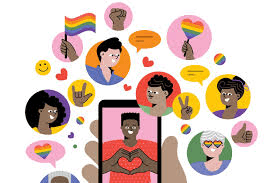
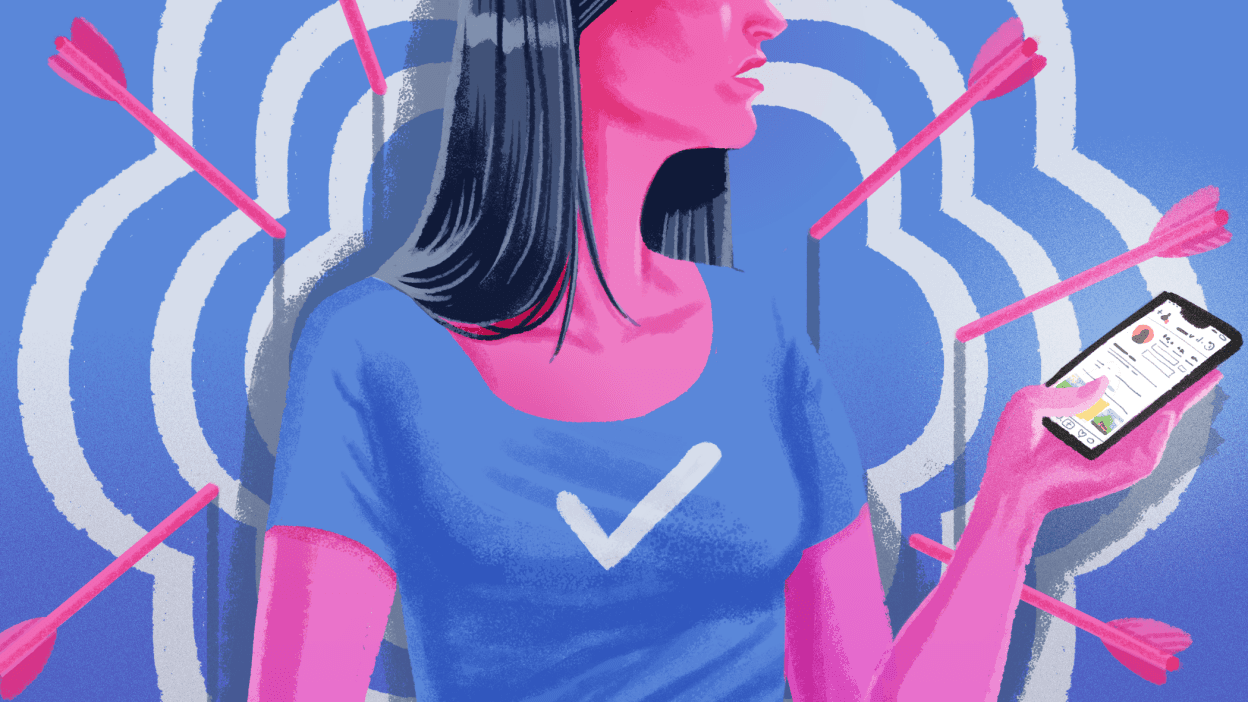
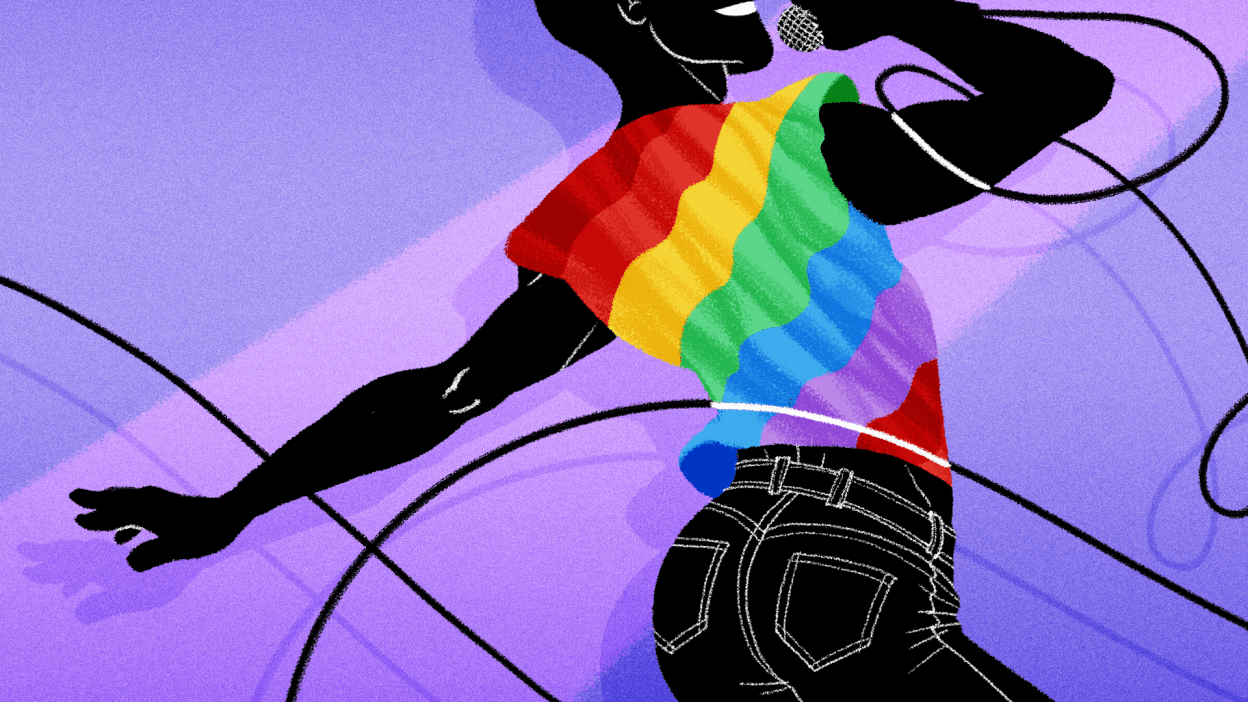

Even though inclusivity is seemingly displayed, the actual engagement reflects those underlying prejudices that alienate vulnerable groups. As Tiffany notes, “social media can be useful for young people who are dealing with chronic illness—sometimes even helping them stay on track with their treatment plans” (Tiffany 2023), but this optimism heavily depends on the reality where emotional safety is never evenly distributed, especially for teenagers — this lack of visible representation seems subtle, but its comes with immediate psychological impact. As a result, minority users may self-internalize this imbalance as a reflection of their value, further withdrawing themselves from participation.
Conclusion
Throughout my five-week digital ethnography, I investigated how the design and culture of Discord gaming communities may affect users in different, sometimes contradictory ways.
On one hand, the platform’s interactive features significantly improve interpersonal interaction, building strong social bonds across time and geography. On the other hand, the openness of these virtual spaces, together with the absence of reliable protective approaches, potentially raises risks for underage users.
These findings suggest that the experience of virtual community is never evenly distributed. For adults and mature players, Discord may offer a space for interpersonal connection and creativity. But for teenage users, the same space can become a source of anxiety, overexposure, and emotional harm.
The phenomenon exists not only within gamer culture but also for all platforms that serve young digital users. Future research could explore how platform design might adaptively offer tailored safety measures for different age groups, such as censorship or a rating system that mediates social media in the same way as traditional media.
Reference
Baym, Nancy K. 2010. Personal Connections in the Digital Age. Polity Press.
Lanier, Jaron. 2018. Ten Arguments for Deleting Your Social Media Accounts Right Now. New York Henry Holt And Company.
Tiffany, Kaitlyn. 2023. “No One Knows Exactly What Social Media Is Doing to Teens.” The Atlantic. June 13, 2023. https://www.theatlantic.com/technology/archive/2023/06/social-media-teen-mental-health-crisis-research-limitations/674371/.
Tufekci, Zeynep. 2010. “Who Acquires Friends through Social Media and Why? ‘Rich Get Richer’ versus ‘Seek and Ye Shall Find.’” Proceedings of the International AAAI Conference on Web and Social Media 4 (1): 170–77. https://doi.org/10.1609/icwsm.v4i1.14025.